Educational Resources8 August 2017
Articles
A selection of guides to educate and support on mental health, managing your wellbeing, substance misuse, safeguarding adults, goal setting for health and wellbeing, women’s health and accessing services (including out-of-hours services).

Beside You Always
|
Supporting a Loved One Through Chronic Illness Introduction Living with a chronic illness, whether physical or mental is more than just managing daily symptoms, it's also navigating a world that often misunderstands, questions, or minimises those struggles. For many people with chronic conditions, every decision they make from how they...
CONTINUE READING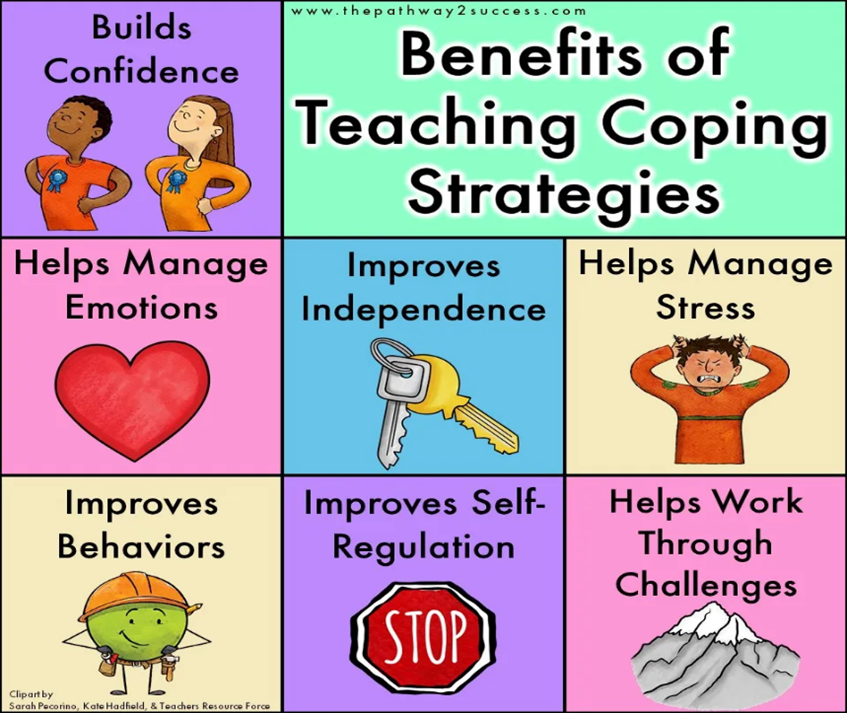
Understanding Coping Mechanisms
|
Coping mechanisms refers to the strategies we use to help us manage stressful or uncomfortable situations, which in turn, enables people to process and perform as effectively as possible for themselves. There are a variety of coping strategies, however it is important to understand, what works for someone else might...
CONTINUE READING
Building Resilience & Managing Emotions
|
We live in a world where everything has become so hustle and bustle and taking time out to nourish your wellbeing, has become such a foreign concept with people often replacing essential coping mechanisms with medications. It is important to note, medications of any kind are essential, however, they should...
CONTINUE READING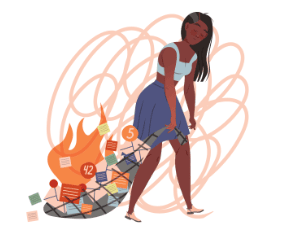
Signs of Burnout
|
Burnout is described as a state of physical, emotional, and mental exhaustion caused by prolonged stress, overwork, or a lack of fulfilment, often in the context of one's job or daily responsibilities. Burnout is heavily associated with stress, as chronic stress can lead to a state of burnout. Burnout for a lot of people presents predominantly as feelings: overwhelmed, disengaged, drained and/or mentally exhausted, which can lead to reduced productivity, lack of motivation, and often low mood, which can impact your overall wellbeing. Burnout generally has three main components: i.Emotional exhaustion: Feeling drained and unable to cope with the pressure of your day-to-day life. Usually, your head is too full to be able to take anything in, and therefore you feel very mentally exhausted and struggle to engage fully in anything. ii.Depersonalization: A sense of detachment or feeling negative about your day-to-day life, you feel essentially numb, this is your body’s natural way of keeping you stable but can work against you in terms of relatability. This can often lead to people having less empathy or interests towards elements of their lives, which can often impact your relationship with others. iii.Reduced personal accomplishment: A feeling of incompetence or a lack of achievement, often accompanied by doubts about one's ability to meet the expectations or demands placed on them. This often occurs as a result of you knowing you aren’t giving your all, but always remember, during this time, you are physically incapable of giving it your all: in fact, you are giving it your all. Burnout, if left untreated, can have serious long-term effects on both your mental and physical health, and it's important to address it early. If you do reach a point of burnout, this isn’t too concerning, you can still get support by contacting your GP, who will be able to offer you a variety of treatment options such as: education on stress management, talking therapies, lifestyle changes (like taking breaks or setting boundaries), and in some cases, changes in work environment, relationships or job responsibilities. It is always important to understand the early signs of burnout, as this will enable you to take a step back, and ensure that you to, slow down, set boundaries for yourself and increase on your self-care and relaxation routines, before you reach the point of burnout. Burnout can take a long time to recover from, depending on how long it has built up, can take months to years to manage, for more information on recovering from burnout, Signs of Burnout - Insomnia or changes to sleep patterns - Physical Symptoms (headaches, muscle tension, stomach issues)- Reduced...
CONTINUE READINGHarmonia Podcast
New episode every Sunday


