A brief Introduction to Substance Misuse in the UK
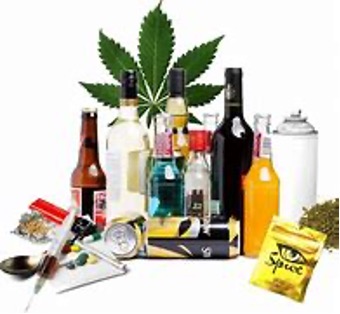
What is Substance Misuse?
Substance misuse is formally defined as the continued misuse of any mind-altering substance that severely affects a person’s physical and mental health, social situation and responsibilities. It is seen as a brain disorder as it involves functional changes to the brain circuits as it releases high doses of serotonin, dopamine, and adrenaline to list a few. Misuse also extends to the pharmacological sector, as even prescribed or over-the-counter medications can be misused. Therefore, any medications taken in a manner other than prescribed, are misusing: including using another person’s prescription.
There are 2 predominant types of dependencies: physical & physiological: –
- Physical dependency – where your body has become dependent on the substance and without it, you are likely to experience withdrawal symptoms.
Withdrawal symptoms include: –
- Sleep disturbances,
- Mood swings,
- Cravings,
- Irritability,
- Tired,
- Itchiness,
- Sweats,
- Shakes,
- Tremors,
- Nausea,
- Vomiting,
- Diarrhoea,
- Hallucinations,
- Paranoia,
- Confusion,
- Disorientations,
- Seizures
- Psychological dependency is a belief system, where you believe without the medication, you will not be ok and therefore can be seen more as emotion led. Without the medication, you begin to experience, what I call emotional withdrawal symptoms.
Withdrawals symptoms include: –
- Anxiety,
- Restlessness,
- Mood swings & Irritability
- Insomnia,
- Cravings,
- Food cravings
Why do people misuse?
It is important to understand, there is no finite answer for why people might misuse, and we are unsure who is dispositioned to substance misuse or dependence. However, according to anecdotal evidence gathered by ONS (Office of National Statistics), people who misuse reported misusing for the following reasons: –
- Made them feel euphoric (due to release of chemicals to blood stream)
- Were self-medicating for a mental health condition or disorder
- It was learnt behaviour (observed members of family misusing)
- Curiosity
- Peer Pressure
- Escapism: used as a coping mechanism to unwind from feelings of stress or when overwhelmed
- Confidence: alcohol is a common example, as its nick name is liquid courage
- Prescribed the medication history for physical health: most common being opiates.
Fun Fact: did you know, your brain can’t register the difference between emotional and psychological pain, as they use the same receptors. So, when you feel emotional pain you may feel physical discomfort also, and vice versa!
Categories of misuse?
There are 5 key types of misuse, these are: –
- Experimental – people who experimenting, generally out of curiosity
- Regular/Habitual use – people who have a regular pattern or use every weekend/party
- Risky Use – people who have started misusing on a regular basis, creeping up to daily, including evenings and weekend use.
- Dependence – people who have developed a dependency to their use whether psychological or physical
- Addiction – people who misuse to the point where it has dire consequences to their lives and over all wellbeing, also known as ‘out of control use’
Most common drugs used in UK
The most recent census completed by ONS in 2021 stated the below are the most popular drugs/substances misused in the UK.
- Cannabis – with 7% of the UK population declaring use
- Cocaine (1 in 50 people)
- Crack
- MDMA & Ecstasy
- Heroin
- Alcohol
It is very important to understand, the common form of misusing substances is polydrug use, which is using multiple substances at once. This is the quickest way to fatally overdose, it is important to never mix substances, as this creates a new chemical reaction in the body, putting you at greater risk. A popular mix is alcohol and cocaine, which creates a new substance known as cocaethylene, much more potent and deadlier than cocaine alone.
Overall, when it comes to misusing substances, it is always important to understand what these substances are doing to you and your body, in the short and long run. Substances are generally categorised as a stimulant or depressant, meaning they either stimulate (speeds up) or depress (shut down) the nervous system.
Let’s explore some of the key properties to be mindful of when misusing substances……
Let’s Talk about Cannabis!
Cannabis aka Marijuana or Weed, derives from the cannabis sativa plant and comes in the form of a resin: you can also extract oil from the resin. Cannabis sits in a unique category as it can be a stimulant (sativa), depressant (Indica) or hybrid (both) depending on the strain. Historically cannabis is known as one of the safest substances to use, this is not actually the case, symptoms of cannabis misuse can be equally as severe as any other drug and much more long-term effects.
People who misuse this, experience the following short-term symptoms:
- High: red eyes, slurred speech, giddy
- Munchies: due to drop in blood sugar
- Relaxed ‘not a care in the world’
- When smoked with tobacco can be highly addicted
- Damage to lungs (due to smoke inhalation)
- Difficulty concentrating
- Reduced Motivation
Long term symptoms include:
- Mental health concerns, such as depression
- THC can induce psychosis
- Low blood sugar, putting you at risk of type 2 diabetes (hypoglycaemia)
- Cannabis Hyperemesis Syndrome: nausea and in extreme cases projectile vomiting & for some people diarrhea which can go on for days, weeks, months, years depending on frequency and duration of use (hot showers and bathes can support with this)
Let’s talk about Cocaine / Crack!
Cocaine is a stimulant extracted from the coca plant, and generally comes in a white powder form, which is snorted or rubbed onto gums. When snorted cocaine causes the blood vessels to contract, reducing the blood flow to the nose. Repeated damage can lead to nasal structure and tissue and can lead to holes or perforations in the septum (the cartilage between the nostrils). Crack is essentially the smokeable version of cocaine, made by the same plant, with added chemicals to help make it easier to smoke. Crack/Cocaine is generally considered to be a substance that results in psychological dependence.
People who misuse this, experience the following short-term symptoms:
- Euphoric feeling
- Hyper & agitated
- Increased heart rate / BP / Body Temp
- Tremors
- Easily Distracted
- Paranoia
- Vertigo
- Erectile Disfunction
- Loss of teeth (if smoking crack)
Long term symptoms include:
- Due to the impurities often mixed in with the cocaine, smoking crack long term can lead to major physical health complications e.g. Pulmonary embolism (blood clot in the lungs)
- Nose bleeds & damage to septum
- You are more likely to overdose when mixed with other substances
- Irritation of the skin: dry, itchy, peeling
- Snorting can lead to loss of smell & frequent sniffling
- Long term use can also lead to triggering a psychotic episode if you already have a diagnosis or can lead to drug induce psychosis (temporary psychotic episodes which subside once the individual ceases cocaine use)
- Other physical health problems include – seizures, stroke, coma, disturbances to heart rhythms, and deterioration of the cardiovascular system which can lead to cardiac arrest and death
Let’s talk about Ecstasy & MDMA!
These are synthetic stimulants, similar to those commonly used to treat psychopathologic disorders like ADHD. These can come in either pill or powder form, with the pills varying in colour and is commonly associated with psychological dependence.
People who misuse this, experience the following short-term symptoms:
- Confident, omnipotent feeling (increased mental and physical powers)
- Reduces appetite
- Person is more alert (rapid flow of ideas)
- Increased heart rate/BP
- When they are coming down from the substance (anxious, irritable, restlessness)
- Paranoia/Panic attacks
- Effects of a normal dose can last up to 5-8 hours
- Crystal-meth (type of amphetamine) can last for up to 12 hours at a normal dose (very common in casual sex working)
Fun Fact – Very popular as a club drug and globally is the 2nd most common drug used after Cannabis.
Long term effects include:
- Long term use can lead to sleeping problems, poor appetite, anxiety, paranoia, immune system
- Teeth grinding; dental problems
- Long term use can also lead to triggering a psychotic episode if you already have a diagnosis or can lead to drug induce psychosis (temporary psychotic episodes which subside once the individual ceases cocaine use)
- Other physical health problems include – seizures, stroke, coma, disturbances to heart rhythms, and deterioration of the cardiovascular system which can lead to cardiac arrest and death
Let’s Talk about Heroin!
Heroin is an opiate, similar to morphine, opium, codeine etc and is one of the few substances that gives you a physical dependency, meaning you will experience physical withdrawal symptoms as a result. Heroin comes in a powder form, which can be smoked or made into a liquid form and injected into the veins. Heroin has heavy sedating properties and is categorised as a depressant as it supresses the nervous system, and your lungs, which can result in respiratory arrest, the main cause of death for heroin users.
People who misuse this, experience the following short-term symptoms:
- Euphoric feeling / Spaced out
- Numb and drowsy
- Slurred speech
- Warm flushing skin (red skin)
- Dry mouth (constantly thirsty)
- Heavy Extremities (head/arms/legs)
- Cognitively impaired (short term memory loss)
- Poor concentration
Long term effects include:
- Physical Dependency: once you stop using it, you will go into withdrawals. Withdrawal occurs 48/72 hours after last dose. (In treatment you would use substitute prescribing (OST) – Methadone, Buprenorphine, Subutex and some medications being trialled are Espranor & Budvidal
- Deep Vein Thrombosis (DVT): collapsed veins which can lead to abscesses and in some cases amputation
- Endocarditis: inflammation of the heart lining and valves
- Pneumonia: in cases where you smoke heroin
- Poor appetite, leading to weight loss
- Overdose: which can sometimes lead to death (Naloxone is what is used to support with overdoses as it temporary blocks the opiate receptors for 20 minutes)
IMPORTANT NOTE – please ensure that you engage with your local pharmacy or substance misuse services, for the following essential services: access to Naloxone, which is a life saving measure and needle exchange programme, which give you free clean needles and educates you on injecting habits and dangers of sharing needles and exposing yourself to bloodborne viruses.
Let’s talk about Alcohol!
Alcohol is the only legal substance and classified as a depressant. Alcohol generally comes in a liquid form; however, it is very common to make alcohol jellies too. A fun fact, alcohol is possibly the most dangerous drug in existence, who’s withdrawals symptoms can be fatal, and annually, more people die of alcohol than heroin and cocaine combined.
People who misuse this, experience the following short-term symptoms:
- Initially happy and relaxed
- You feel more courageous and bolder/brave (liquid courage)
- Energized
- Emotional / Depressed
- Frequent urination: due to chemical changes in urine (plasma)
- Pass out and/or black out
- Breathing and swallowing reflex difficulties
- Low blood sugar: resulting in dizziness and light-headedness
- Very hot: red skin & sweaty
Long term effects:
- Incontinence: loss of control over bladder and bowels
- Confusion
- Constant nausea and sporadic vomiting
- Low blood sugar could lead to brain damage
- Breathing and reflex issues can result in breathing vomit into lungs & choking
- Cirrhosis of the liver (scaring)
- Kidney damage: due to over-processing of plasma
- Liver Cancer
- Slows breathing, which can result in coma and/or death
Conclusion
Substances can be misused by anyone and as there is no specific gene for addiction, it is very difficult to determine who can succumb to it, everyone is vulnerable to it. Please do not be deterred from using your medications, for those who misuse prescribed medications, however, do start being mindful of these early signs and symptoms of potential misuse.
Ask yourself the following:
- Are you building a tolerance?
- Are you experiencing withdrawal symptoms when you don’t have the substance?
- Do you spend a great deal of time thinking about the substance and how to obtain it?
- Have you stopped doing enjoyable activities because of your substance use?
- Have you stopped going to work?
- What does your substance use pattern?
- Are you unable to pay vital bills as a result of your use?
- Are you experience psychological withdrawal symptoms without it?
- Can you stop using if you wanted to?
- Are you in control? Do you feel compelled to use?
- Are there other things you could do before you use?
Always remember the 4Cs of addiction:
- Cravings,
- Compulsions,
- Control
- Consequences
If you or a loved one is struggling with substance misuse, always remember, no body will ever judge you and the circumstances that led to your substance misuse. There are a variety of services that can help you to overcome your addiction and take back control of your life, it is a tough journey, but you are not alone.
Please ensure you reach out to your GP, as they are your primary carer, and can tie you to relevant services within your vicinity. Please also visit Talk2Frank who can support with finding a substance misuse service in your area, by entering your postcode here: Find drug and alcohol support near you | FRANK (talktofrank.com).
For any more information on various drugs and information on substance misuse in the UK, please visit:
Or
Adult substance misuse treatment statistics 2020 to 2021: report – GOV.UK (www.gov.uk)
Or
Finding support – Adfam (support families impacted by substance misuse)
And
NHS England » Substance misuse and gambling support
Closing Comments
Substances kill!!!! 1/3 of substance users die of an overdose, and every death affects not just you as a person, whose life has been stolen, but your loved ones too. So, let’s be brave, let’s take back control and not become another statistic, you can do it! 😊
Disclaimer – EthVida is not a healthcare provider, we offer awareness in the form of education, signposting and advocacy for plant-based medicines. Please note, all advice given is based on various healthcare models that have been proven to support patients with sustainability and backed by Public Health England (PHE). Nonetheless, you should run any changes to your routine by your GP as they are your primary carer, it is also important that any other healthcare professionals involved in your care is involved in your goal planning. Don’t forget they hold your medical records and would be familiar with you; this will help everyone to be on the same page and will also enable you to plan more realistically and not overestimate your capacity!


11 January 2026, 1:27 am
Thank you for your sharing. I am worried that I lack creative ideas. It is your article that makes me full of hope. Thank you. But, I have a question, can you help me? https://www.binance.com/pl/register?ref=UM6SMJM3
13 February 2026, 3:30 pm
I don’t think the title of your article matches the content lol. Just kidding, mainly because I had some doubts after reading the article. https://www.binance.info/register?ref=IXBIAFVY
7 March 2026, 7:36 pm
Thank you for your sharing. I am worried that I lack creative ideas. It is your article that makes me full of hope. Thank you. But, I have a question, can you help me?
20 March 2026, 11:50 pm
Your article helped me a lot, is there any more related content? Thanks! https://www.binance.com/join?ref=IXBIAFVY
13 April 2026, 7:52 pm
Thank you for your sharing. I am worried that I lack creative ideas. It is your article that makes me full of hope. Thank you. But, I have a question, can you help me?
21 April 2026, 7:08 pm
Your article helped me a lot, is there any more related content? Thanks!